Real Estate Information Archive

Blog

Displaying blog entries 1-10 of 29

What You Should Know Before Moving to Omaha, Nebraska

by Nancy Heim-berg

Your Complete 2026 Relocation Guide — Brought to You by the Heim-Berg Team

Ambassador Real Estate | Berkshire Hathaway HomeServices | Omaha, Nebraska

So you're thinking about moving to Omaha, Nebraska. Maybe you've heard whispers about its affordability. Maybe a job opportunity landed in your inbox. Or maybe you've just been scrolling through endless articles about overpriced coastal cities and thought — there has to be a better way.

Here's what we can tell you: Omaha is one of the best-kept secrets in America, and in 2026, the word is getting out.

We're the Heim-Berg Team at Ambassador Real Estate — Berkshire Hathaway HomeServices — and we've helped hundreds of families make Omaha home. We know these streets, these neighborhoods, and this market inside and out. This guide is everything we wish every newcomer knew before they arrived.

Why Are So Many People Moving to Omaha Right Now?

Omaha has been on relocation watchlists for years — but 2025 and 2026 feel different. Remote work has untethered millions of Americans from expensive zip codes, and they're doing the math. A $285,000 median home in Omaha vs. $575,000 in Denver or $825,000 in Seattle? The numbers speak for themselves.

Families from California, Texas, Illinois, and the Pacific Northwest are discovering what Midwesterners have known for generations: Omaha is a city where your money goes further, your commute is shorter, and your neighbors actually wave hello.

But affordability is just the headline. What keeps people here — what makes them call their friends back home and say "you need to come see this place" — is the quality of life that's hard to put on a spreadsheet.

Omaha at a Glance — March 2026

DATA POINT

WHAT YOU NEED TO KNOW

Population

~500,000 city / ~1M+ metro area

Median Home Price (Jan 2026)

$267,000 — 34% below the national average

Cost of Living vs. National Avg.

9–11% below average (housing 18–20% lower)

Unemployment Rate

Below the national average — stable job market

Average Days on Market

~33 days (competitive, inventory still tight)

Top School Districts

Millard, Elkhorn, Westside, Papillion-La Vista

Fortune 500 Companies

5 — Berkshire Hathaway, Union Pacific, Mutual of Omaha, ConAgra, Peter Kiewit Sons

Healthcare

4–6% below national average

Average Monthly Rent (1BR)

$752–$1,050 depending on area

Property Tax Rate

~1.63% — factor into your budget


Omaha's Housing Market in 2026: What Buyers Need to Know

Let's talk about the real estate market — because this is where Omaha truly shines, and where your decisions will matter most.

As of early 2026, Omaha home prices are up about 5.8% year-over-year, with a median sale price of $267,000. That number alone should stop anyone paying $700K for a bungalow on the coasts dead in their tracks. The Omaha market remains a seller's market — inventory is tight, well-priced homes still move quickly, and demand continues to outpace supply. But compared to other competitive metros, buyers here still have real choices at real prices.

One important number to keep in mind: Nebraska's property tax rate averages around 1.63%. It's higher than some states, but when your total housing costs (mortgage + taxes + insurance) still run 40–50% below comparable coastal metros, most buyers see it as the cost of doing business in an affordable city.

Current mortgage rates hover near 6.8–7% for a 30-year fixed loan — consistent with national trends. The good news? Because Omaha home prices are dramatically lower than the national average, the actual monthly payment burden is far more manageable here than in high-cost markets.

Is It a Good Time to Buy in Omaha Right Now?

In short — yes, especially if you're relocating from a high-cost city. The equity you can build here is exceptional, appreciation has been steady, and the lifestyle return on your investment is hard to beat. That said, every buyer's situation is different, and the Heim-Berg Team is here to walk you through exactly what makes sense for your goals.

The Best Neighborhoods in Omaha for Every Lifestyle

Omaha isn't a one-size-fits-all city. Whether you're a young professional who wants to walk to coffee shops, a family chasing top-rated schools, or someone ready to spread out in a brand-new build, there's a neighborhood that feels like it was made for you.

West Omaha (68130 / 68135) — Space, Schools & Suburban Comfort

West Omaha is where growing families tend to land — and for good reason. You'll find spacious homes (often 2,500–3,000+ sq ft in the $350K–$550K range), top-ranked Millard Public Schools, modern shopping and dining along the 180th corridor, and Zorinsky Lake's 900+ acres of trails, water, and open space. It's suburban done right — without feeling like you've left civilization behind.

Elkhorn (68022) — Small-Town Charm, Big-City Access

Elkhorn has that rare combination of newer construction, excellent Elkhorn Public Schools (consistently A-rated), and a genuine community feel. Homes typically range from $325K to $475K, with strong appreciation and a growing commercial district. If you want Midwest neighborliness with easy access to Omaha's amenities, Elkhorn delivers.

Papillion — Family-Friendly Value & Award-Winning Schools

Papillion is a perennial favorite for relocating families — it offers some of the best value in the metro ($275K–$425K), top-rated Papillion-La Vista Community Schools, and a family-centered atmosphere that consistently earns it "Best Place to Live" recognition in Nebraska. It's close to Offutt Air Force Base as well, making it a top choice for military families.

Aksarben Village — Urban Energy, Walk-Friendly, Young Professional Favorite

Named by spelling Nebraska backwards (yes, really), Aksarben Village is Omaha's most walkable, energetic neighborhood. You've got coffee shops, fitness studios, restaurants, local events at Stinson Park, the Omaha Farmers Market, and 215 acres of Elmwood Park right in your backyard. Median home prices sit around $275,000, and it's surrounded by University of Nebraska Omaha and the Nebraska Medical Center campus.

Dundee — Historic Character, Walkable Streets, Community Soul

Dundee is Omaha's original suburb — and it still has that irreplaceable historic character. Tudor Revival and Georgian homes line tree-canopied streets, and Underwood Avenue is packed with independent restaurants, boutiques, and coffee shops. It's close to the University of Nebraska Medical Center, walkable, community-driven, and the kind of neighborhood where you'll actually know your neighbors.

Cost of Living in Omaha: The Real Numbers

Omaha's overall cost of living runs 9–11% below the national average. Housing leads the way — you're getting about 18–20% more for your dollar compared to U.S. averages. But the savings don't stop there:

  • Utilities: Approximately 15–16% below the national average (though Nebraska winters do spike heating costs December–February — budget accordingly).
  • Groceries: Roughly on par with the national average — you won't pay coastal premiums for everyday staples.
  • Transportation: About 10% below average. Omaha is a car-dependent city, so factor that into your budget, but gas and insurance costs are moderate.
  • Healthcare: 4–6% below the national average — an often-overlooked advantage, especially for families.
  • Childcare: Averaging $850–$1,100/month, compared to $2,000+ in major metros. For families, this difference is enormous over time.
  • No state tax on groceries: Families of four can save $1,200+ annually just on this alone.

Real talk: a $150,000 salary in San Francisco is estimated to have the equivalent purchasing power of roughly $68,000 in Omaha. If you're working remotely and maintaining a higher salary while your expenses drop significantly — that's a life-changing financial shift.

Jobs and Economy: What's Driving Omaha's Growth?

Omaha's economy is as stable as it gets. The city is home to five Fortune 500 companies — Berkshire Hathaway, Union Pacific Railroad, Mutual of Omaha, ConAgra Brands, and Peter Kiewit Sons — and that corporate foundation creates a ripple effect of jobs, contractors, and service industries across the metro.

The trade, transportation, and utilities sectors support around 100,000 local jobs. Healthcare and professional services each employ more than 60,000 workers. Omaha's unemployment rate has consistently stayed below the national average, and the Greater Omaha Chamber of Commerce continues to attract new business investment and support economic diversification.

Tech is a growing sector too — the city is cultivating talent through incubators, accelerators, and innovation hubs, with strong pipelines from Creighton University and the University of Nebraska Omaha. If you're in healthcare, finance, insurance, or logistics, you'll find a deep and active job market here.

Omaha Schools: A Genuine Strength for Families

Education is one of the first questions every relocating family asks — and Omaha delivers strong answers. The metro area has more than 150 public schools, with several district consistently ranking among the best in the Midwest.

The Millard Public School District, Elkhorn Public Schools, Westside Community Schools, and Papillion-La Vista Community Schools are consistently rated excellent — with class sizes that are smaller than most coastal districts and strong extracurricular programs. For private and faith-based education, Skutt Catholic, Duchesne Academy, Brownell-Talbot, and 40+ parochial schools offer solid college-prep options.

At the post-secondary level, Creighton University and the University of Nebraska Omaha provide strong academic programs and are active contributors to the city's talent pipeline and cultural life.

Omaha's Culture, Food & Things to Do — More Than You'd Expect

Here's where people get genuinely surprised by Omaha. They come expecting steakhouses and cornfields. They find a city with a thriving arts scene, nationally recognized dining, world-class attractions, and a food culture that punches far above its weight.

  • Henry Doorly Zoo & Aquarium — Regularly ranked as one of the world's best zoos. If you have kids (or kid-like enthusiasm for animals), this alone is worth the move.
  • Joslyn Art Museum — An impressive collection of American and European art, in a stunning building, with free admission on select days.
  • The Old Market — Omaha's historic cobblestone district is packed with galleries, independent restaurants, boutiques, and nightlife. It's the kind of place that makes cities feel like cities.
  • Durham Museum — A Smithsonian-affiliated history museum housed in a stunning Art Deco Union Station. History buffs will love it.
  • Lauritzen Gardens — 100 acres of botanical beauty. In spring (right now!), it's absolutely gorgeous.
  • Omaha Fashion Week — The nation's fourth-largest fashion event, held annually in late February/early March. Unexpected? Yes. Excellent? Also yes.
  • Live music, craft breweries, the Omaha Farmers Market, Maha Music Festival, and a food scene that includes everything from acclaimed fine dining to the legendary Reuben sandwich (which, yes, was created here).

Omaha Weather: Let's Be Honest About the Winters

You deserve a straight answer here: Omaha winters are real. Temperatures can range from 16°F to 87°F across the year, and you will see snow, cold snaps, and the occasional ice storm. December through February typically brings the most challenging weather.

That said — the city is fully equipped to handle it. Snow removal is efficient, homes are built for Nebraska winters, and locals develop a healthy relationship with the cold (good coats, heated garages, and Midwestern resolve go a long way).

In exchange, you get spectacular spring wildflower seasons (late March and April are stunning), beautiful summers, and some of the best fall foliage you'll find in the Heartland. Spring 2026 is shaping up to be gorgeous — so if you're visiting to scout neighborhoods, right now is a great time to come.

Common Questions About Moving to Omaha, Answered

Is Omaha a good place to live?

Yes, consistently. Omaha ranks among the top Midwest cities for families, young professionals, and retirees alike. It offers low unemployment, affordable housing, strong schools, excellent healthcare, and a genuine sense of community — all in a city big enough to have real amenities but small enough to feel personal.

Is Omaha affordable in 2026?

Absolutely. With a median home price of $267,000 — 34% below the national average — and an overall cost of living 9–11% below the national average, Omaha remains one of the most financially accessible mid-sized cities in the country. Your dollar goes further here in almost every category.

Is Omaha growing?

Yes — and at a meaningful pace. The greater Omaha metro area is approaching 1 million residents, with continued population growth, new commercial development (especially in West Omaha), and a thriving business ecosystem supported by the Greater Omaha Chamber of Commerce. Growth is steady, not frenetic — which actually makes it a smarter long-term investment than boom-and-bust markets.

Will I fit in if I'm not from the Midwest?

This comes up more than you might think — and the answer is almost always yes. Omaha has a growing transplant community and welcomes newcomers warmly. The city is diverse, with strong cultural communities, international dining, and inclusive neighborhoods. The famous "Midwest nice" is real, and most transplants say they felt at home faster than expected.


Ready to Make Omaha Home? Let's Talk.

The Heim-Berg Team at Ambassador Real Estate

Berkshire Hathaway HomeServices | Omaha, Nebraska

We specialize in helping families and professionals relocate to Omaha with confidence. From your first questions to handing you the keys, we're with you every step of the way. Whether you're moving across the state or across the country, you deserve a team that knows this market, these neighborhoods, and what it takes to find the right home — not just any home.

Search Omaha Homes for Sale: www.HeimBergTeam.com

Contact Us Today — Your Omaha Story Starts Here.

The Heim-Berg Team | Ambassador Real Estate | Berkshire Hathaway HomeServices | Omaha, Nebraska

Article published March 2026. Market data sourced from Redfin, MLS records, Steadily, and local market research. All figures are current to the date of publication.

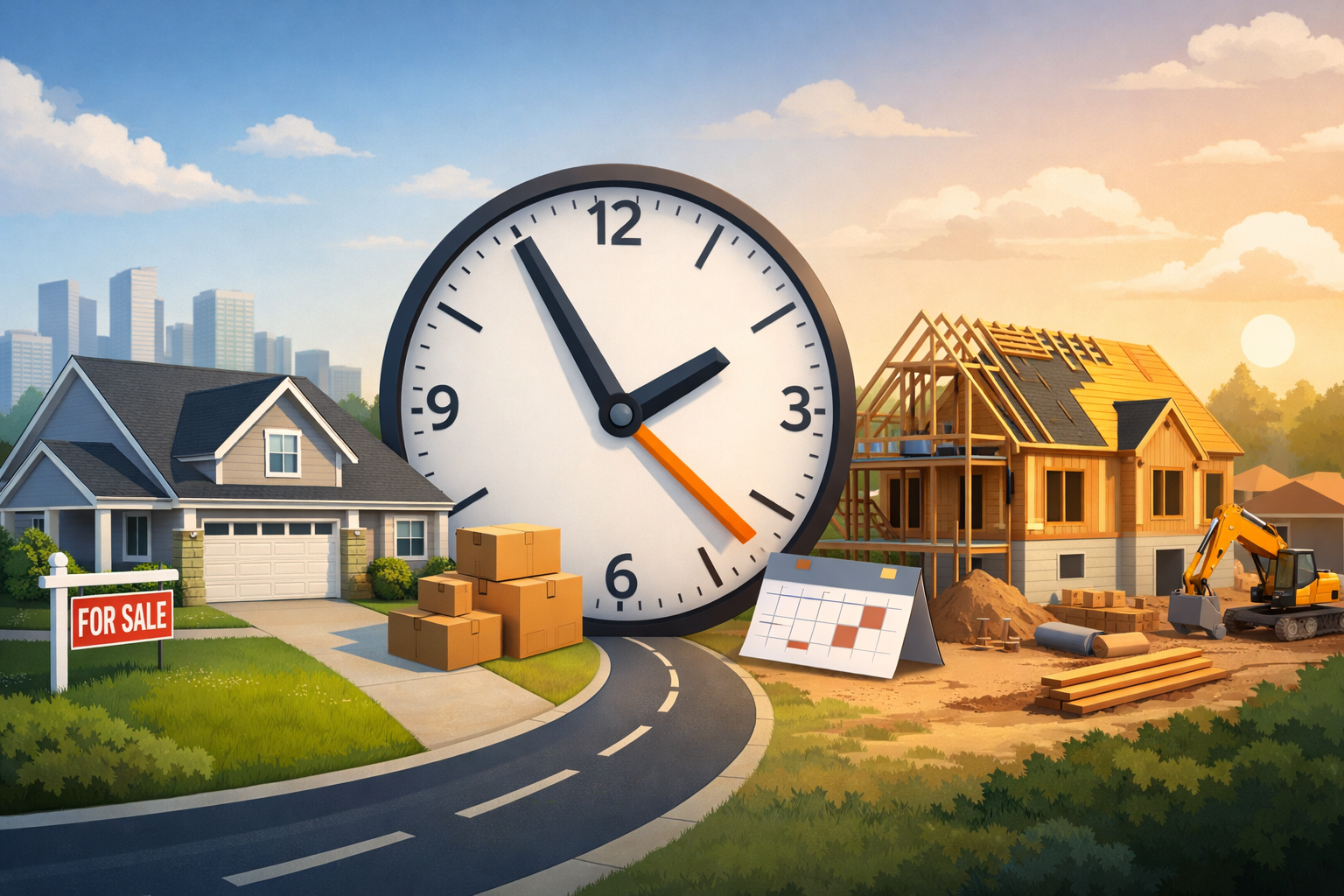
If you're building a new home and planning your next move, the timing of listing your current house can feel stressful. Many Omaha homeowners wonder: is it too soon to put my house on the market, especially if my new home won't be ready for several months? This is a common concern, and the answer depends on a few key factors.

Whether you're a first-time seller or a seasoned mover, understanding the risks and benefits of listing early can save you headaches (and money). The Heim Berg Team is here to break down what you need to know.

The Short Answer

Listing your house "too soon" usually means putting it on the market months before you can actually move out. The main risk is that most buyers want to close within 30 to 60 days, and may not be willing to wait 3 to 4 months for you to move. In Omaha, especially during the busy spring and summer markets, buyers often have choices and may skip over listings with delayed closings.

However, there are some buyers who are more flexible, like investors or those relocating on a flexible timeline. Pricing your home right and communicating your timeline clearly can help, but expect a smaller buyer pool if you require a long closing.


What Happens if You List Too Early?

• Many buyers in Omaha expect to move in within 30 to 45 days after an accepted offer

• Listing 3 to 4 months before your new home is ready means you'll need a buyer willing to wait

• Extended closings can make your home less attractive compared to others with immediate availability

• You may get fewer showings and offers, or need to negotiate incentives to make waiting worthwhile for buyers


Strategies for Omaha Sellers Facing a Timing Gap

• Consider a rent-back agreement: Sometimes you can close with the buyer and rent your home back for a few months until your new place is ready

• Target flexible buyers: Investors, buyers with leases to finish, or those in no rush may be open to your timeline

• Price competitively: If you list early, you may need to price your home to account for the inconvenience of a delayed closing

• Communicate clearly: Make sure your listing notes your ideal closing date and any flexibility you may have


The Omaha Market and Seasonality

• Omaha’s busiest real estate months are typically March through July

• Listing too early in the season could mean missing out on buyers later who want to move quickly

• However, waiting too long can also risk your home sitting unsold if the market slows down after summer


Frequently Asked Questions

Will buyers really wait 3-4 months to close?

Most Omaha buyers prefer a faster move-in, but some will wait if your home is a perfect fit or if you offer incentives.

What happens if I get an offer but can't move out soon enough?

You can negotiate a longer closing or a rent-back, but not all buyers will agree. It's important to discuss your options with your agent.

Should I wait until my new home is nearly finished before listing?

In a hot market, waiting until you're 45-60 days from move-out can help attract more buyers and maximize your price.

Timing the sale of your Omaha home is a balancing act. Listing too soon can shrink your buyer pool and reduce your leverage, but waiting too long could leave you scrambling. The Heim Berg Team recommends talking with a local expert to weigh your options, consider creative solutions, and plan for a smooth transition. Ready for a custom strategy? Contact us today for a no-pressure consult.

How to Get Your Omaha Home Ready for the Most Competitive Selling Season

by Nancy Heim-berg

If you’ve been thinking about selling your home, now’s the time to start getting serious. Spring is traditionally Omaha’s hottest real estate season, and with inventory still relatively low across the metro, homes that are truly move-in ready are commanding premium prices and multiple offers.

But here’s the thing: the homes that win in the spring market aren’t necessarily the biggest or the newest. They’re the ones that feel ready. They’re the ones where a buyer can walk through and immediately picture themselves living there without having to envision a renovation timeline first.

So how do you get your home to that place? Let’s walk through it.

Start with What Buyers Will Actually See First

We all know curb appeal matters, but in February, your curb appeal project is different than it will be in May. Right now, while we’re still dealing with the tail end of winter, focus on what you can control.

Clean up winter debris. Walk your property and pick up any branches, trash, or remnants of Nebraska’s unpredictable winter weather. Check your gutters and downspouts—if they’re clogged or damaged, get them cleaned or repaired now before spring rains highlight the problem.

Power wash when temperatures allow. If we get a few days above 50 degrees, take advantage and power wash your siding, driveway, walkways, and front porch. Winter leaves behind a layer of grime that you don’t even notice until it’s gone. The difference is immediate and dramatic.

Prep your landscaping plan now. You can’t plant flowers in frozen ground, but you can plan what you’ll plant and where. Budget for fresh mulch, consider adding colorful planters near your entry, and if your front yard looks tired, think about whether it makes sense to invest in professional landscaping before listing. In competitive neighborhoods like Dundee, Aksarben, and West Omaha, landscaping can be the difference between a home that sits and one that sells in a weekend.

Address the Big Stuff Before Buyers Start Looking

Spring buyers are savvy. They’ve been watching the market all winter, and they know what they want. More importantly, they know what they don’t want—and that’s a home with deferred maintenance or obvious problems they’ll have to deal with.

Get your inspection done early. Consider hiring a home inspector yourself before you list. It’s called a pre-listing inspection, and it lets you identify and fix issues on your timeline instead of scrambling during a buyer’s inspection period. In today’s market, homes with clean inspection reports move faster and sell for more.

Fix what you’ve been ignoring. That loose railing, the door that sticks, the faucet with the slow drip—these aren’t charming quirks. They’re red flags to buyers that suggest you haven’t maintained the home. Walk through every room with a critical eye and make a punch list of everything that needs attention.

HVAC, roof, and foundation matter most. These are the big-ticket items buyers worry about. If your furnace is 15+ years old, consider whether a replacement or a home warranty makes sense. If your roof is showing its age, get an inspection and be ready with documentation about its condition. Foundation cracks? Address them now or be prepared to offer credits or price adjustments later.

Make Your Home Feel Like a Model Home (Without Spending a Fortune)

The homes that sell fastest in spring aren’t necessarily the most expensive or the most updated. They’re the ones that feel intentional, cared for, and ready to live in.

Deep clean everything. And we mean everything. Baseboards, light fixtures, inside cabinets, behind appliances. If you have pets, consider professional carpet cleaning or replacement if carpets are stained or smell. Buyers in Omaha are increasingly sensitive to pet odors, and it’s an issue that tanks showings fast.

Paint if you need to. Fresh paint is one of the highest-ROI updates you can make. Stick with neutral colors—warm whites, light grays, soft greiges. Bold colors might reflect your personality, but they make it harder for buyers to envision the space as theirs.

Declutter ruthlessly. Remove at least 30-40% of what’s currently visible in your home. Box up personal photos, clear countertops, thin out closets and cabinets. The goal is to make your home feel spacious and allow buyers to focus on the space, not your stuff.

Stage with intention. You don’t need to hire a professional stager (though it helps for higher-price homes), but you do need to think about how each room presents. Remove excess furniture that makes rooms feel small. Add a few fresh touches—new throw pillows, a bowl of lemons on the kitchen counter, fresh towels in bathrooms.

Timing Matters More Than You Think

The spring market in Omaha typically kicks into high gear in mid-March and peaks in April and May. If you want to catch that wave, you need to be ready to list by early to mid-March at the latest. That means you’ve got about three to four weeks to get everything done—not a lot of time, especially if you’re working on repairs and deep cleaning while still living in the house.

Start now. Make your list, prioritize what needs professional help versus what you can DIY, and get contractors scheduled. Good contractors book up fast as the weather improves, and you don’t want to be competing with everyone else trying to get projects done in April.

Consider your move timeline. Where will you go after you sell? If you need to find a new home, start looking now so you’re not stuck in a situation where you’ve sold but have nowhere to move. Talk through your timeline and contingency plans with your agent early.

What Your Competition Is Doing

Let’s be real: you’re not the only person thinking about selling this spring. More listings are coming as the weather improves. The homes that stand out are priced accurately, show beautifully in photos, and are genuinely ready to show on short notice. Spring buyers have options, and they’re willing to pay more for homes that don’t require them to negotiate repairs or deal with problems after closing.

Homes that will stand out:

  • Priced accurately based on current sold comps, not wishful thinking
  • Photographed professionally—buyers decide online before they ever schedule a showing
  • Genuinely clean, updated, and ready to show on short notice
  • Sellers who are flexible with showing times, including evenings and weekends

Don’t Forget the Details That Make a Difference

  • Lighting matters. Replace burned-out bulbs, upgrade to brighter bulbs in dim rooms, and add lamps in darker corners. You need good artificial lighting for evening showings.
  • Smells matter more than you think. Eliminate pet odors, cigarette smoke, and cooking smells. Don’t try to cover them with air fresheners—buyers can tell. Address the source.
  • Storage spaces sell homes. Buyers open every door. Make sure your closets, pantry, garage, and basement are organized and not overflowing. Half-empty closets look spacious; stuffed closets raise red flags.

Ready to make your move? Call The Heim-Berg Team at 402-677-9024. Let’s get your home ready for the best possible spring launch.

What Omaha Home Sellers Should Expect From the Home Inspection Process

by Nancy Heim-berg

Selling your home in Omaha is an exciting milestone—but it also brings some important steps you’ll want to understand so your transaction stays smooth and stress-free. One of the biggest moments between accepting an offer and closing the sale is the buyer’s home inspection. Here’s everything you need to know:


🔍 1. What a Home Inspection Is (and Isn’t)

A home inspection is a thorough, visual evaluation of your home’s major systems and components. It’s not a pass/fail test—rather, it gives the buyer a clear picture of the condition of the property before they move forward.

Inspectors typically check:

  • Structural elements: foundation, walls, ceilings, floors

  • Roof and exterior: shingles, gutters, siding, decks

  • Plumbing: pipes, fixtures, water heater

  • Electrical systems: panel, wiring, outlets

  • HVAC: furnace, air conditioner, ductwork

  • Interior features and safety systems

While inspectors visually examine components, they don’t tear things apart or test every conceivable system—they focus on observable issues.


📅 2. When It Happens

After a buyer’s offer is accepted, there’s usually a due-diligence period specified in your contract (often about 7–14 days) where inspections occur.

During that time:

  • The buyer schedules and pays for the inspection

  • The inspector spends a few hours evaluating the property

  • The inspector sends a formal report to the buyer and their agent (usually within a few days)


🧹 3. How You Can Prepare (and Why It Matters)

A little preparation goes a long way—especially in Omaha, where seasonal weather (snow, rain, temperature swings) can trigger inspector focus on HVAC, roofing, and water intrusion issues.

Smart steps to take before inspection:

✔ Clean and declutter so inspectors can access all areas easily
✔ Make sure basements, attics, crawl spaces, and electrical panels are accessible
✔ Replace burned-out light bulbs and test all appliances
✔ Clear vegetation around foundation and exterior systems

Some sellers even choose a pre-listing inspection to uncover issues early and avoid surprises later. This can boost buyer confidence and streamline negotiations.


📋 4. After the Inspection: What Comes Next

The buyer (and their agent) will review the report and may make one of several requests:

🔹 Ask you to complete specific repairs
🔹 Request a credit or price adjustment instead of repairs
🔹 Accept the home “as-is” and move toward closing
🔹 In rare cases, cancel the purchase if major issues are found and backed by the inspection contingency in the contract

Not all inspection findings are deal-breakers—there’s usually room to negotiate and problem-solve with your agent’s help.


💼 5. Your Agent’s Role

Your real estate agent is your best advocate during this phase. They can help you:

✨ Interpret the inspection report
✨ Decide which repairs make financial sense
✨ Craft a thoughtful response to the buyer’s requests
✨ Keep the transaction moving toward closing

That’s why working with a local expert who knows the Omaha market—so they can set expectations and negotiate strategically—is such an advantage.


📞 Need Help Navigating Your Inspection?

The home inspection process doesn’t have to be intimidating. When you work with the Heim-Berg Team, you get hands-on guidance every step of the way—from listing your home to handling inspection responses and confidently closing your sale.

📱 Call us at 402-677-9024 to talk through your inspection, your timeline, or your Omaha real estate questions.


Selling your home is a team effort—and understanding the inspection process is one of the keys to success. Let’s make sure you’re prepared, confident, and in control as you move toward closing day. 🏡✨

The Kitchen Revolution: What's Hot in Omaha Homes for 2026

by Nancy Heim-berg

If you've been scrolling through design inspiration lately thinking "my kitchen feels... blah," you're not alone. The good news? 2026 is ushering in some of the most exciting kitchen trends we've seen in years, and they're actually achievable for Omaha homeowners looking to refresh their space without a complete gut job.

Color Is Making a Bold Comeback (But Not the Way You'd Expect)

Say goodbye to the stark white kitchens that dominated the 2010s and the sage green explosion of the early 2020s. This year, we're seeing a gorgeous shift toward warmer, more sophisticated hues that actually make sense for Nebraska living. Think warm taupes, moody mushroom tones, and rich greige colors that feel cozy during our cold winters. For those ready to go bolder, deep olive greens, smoky blue-grays, and even terracotta are having major moments. The secret? These colors work beautifully with the natural light patterns in Omaha homes and create spaces that feel inviting year-round. Designers are even bringing back colorful stone countertops—particularly in stunning green tones that add visual interest without overwhelming the space.

Natural Materials Are Taking Center Stage

The kitchen trends dominating 2026 share one thing in common: they celebrate natural, quality materials that develop character over time. We're talking:

  • Dark wood cabinetry in walnut and mahogany that brings warmth and timeless appeal
  • Aged brass hardware that actually looks better as it develops patina (perfect for busy families who actually use their kitchens)
  • Curved elements everywhere—from rounded backsplash edges to arched range hoods that soften all those hard lines and make spaces feel custom-designed
  • Worktable-style islands that look more like beautiful farmhouse tables than built-in boxes, adding personality and flexibility

This shift toward European-inspired, "unfitted" kitchens means Omaha homeowners can create spaces that feel collected over time rather than installed in a day. It's the antidote to that cookie-cutter look.

Smart Function Meets Real-Life Living

Here's what's really exciting: 2026 trends aren't just about looking good—they're about kitchens that work for how families actually live. Integrated, seamless storage solutions are in high demand, with hidden appliances and smart organizational systems that keep clutter at bay. Touch-to-open cabinetry, voice-controlled lighting, and even sensors that track your pantry inventory are becoming standard features. For Omaha families juggling busy schedules, these innovations mean less time searching for that missing measuring cup and more time actually enjoying your kitchen. The focus is on creating "lived-in" spaces that layer function with beauty—kitchens that support your real life, not just your Instagram feed.

Whether you're planning a full remodel or just looking to refresh your current kitchen, these 2026 trends offer something for every budget and style. The best part? Unlike trendy design moments that flame out quickly, these are thoughtful updates rooted in quality, functionality, and creating a space where your family actually wants to gather. And in a market where kitchen updates consistently deliver strong ROI for Omaha homeowners, investing in these timeless-yet-current elements makes smart financial sense too.

Ready to explore how these trends could transform your kitchen? The Heim-Berg Team would love to show you what's possible in today's Omaha real estate market—whether you're looking for a home with an already-updated kitchen or a property with great bones ready for your dream renovation.

Post-Holiday Cleanup Guide: Reclaim Your Space in 2026!

by Nancy Heim-berg

The wrapping paper has been tossed, the last of the leftovers are gone, and you're staring at a house full of decorations wondering where to even start. We get it—the magic of the holidays is wonderful, but the aftermath? Not so much.

Whether you hosted gatherings all season long or just kept things simple with your immediate family, January is the perfect time to reset your home. Here's your complete guide to post-holiday cleanup that'll have your Omaha home feeling fresh and organized for the new year.

Start With the Decorations (and a Strategy)

Before you start yanking ornaments off the tree, grab some storage bins and take a methodical approach. This isn't just about putting things away—it's about making next December easier.

The smart way to pack up:

  • Take photos of your favorite displays before dismantling them (you'll thank yourself next year)
  • Wrap fragile ornaments in tissue paper or bubble wrap, not newspaper that can transfer print
  • Label boxes by room and by holiday (Christmas, Hanukkah, New Year's, etc.)
  • Invest in proper wreath storage boxes—crushed wreaths are depressing to discover in November
  • Store string lights wrapped around cardboard to prevent tangling

Pro tip: As you pack, make note of items that are damaged or that you didn't use. If you didn't display it this year, chances are you won't next year either.

Deep Clean the High-Traffic Areas

Your home worked overtime during the holidays. Time to give it some attention.

Living and dining rooms took the brunt of entertaining. Vacuum under couch cushions (you'll be amazed what you find), spot-clean upholstery, and don't forget to dust ceiling fans and light fixtures. If you have hardwood floors, now's a great time for a proper cleaning—all that foot traffic leaves its mark.

The kitchen probably deserves a medal. Clean out your refrigerator completely, toss expired items, and wipe down all the shelves. Deep clean your oven if you haven't already. Run the dishwasher empty with a cleaning tablet. Organize your pantry and donate unopened items you know you won't use.

Entryways and mudrooms in Omaha homes see a lot of action during winter. Wash mats, wipe down coat racks, and organize winter gear. This is also a good time to assess what winter items your kids have outgrown.

Tackle the Clutter

The holidays bring new things into your home, which means old things need to find a new home elsewhere.

For every new item that came in, try to move one out. Got new kitchen gadgets? Pass along ones you haven't used in a year. New toys for the kids? Have them choose items to donate to local organizations like the Heartland Hope Mission or Completely KIDS.

Create donation zones: Set up boxes in a few rooms for items to donate, and once they're full, schedule a pickup or drop-off. The Salvation Army and Goodwill have multiple Omaha locations that make donations easy.

Organize for the Year Ahead

January cleanup isn't just about undoing the holidays—it's about setting yourself up for success in 2026.

Create a household command center if you don't have one already. A simple bulletin board or wall calendar in the kitchen helps keep everyone on the same page with schedules, activities, and appointments.

Set up a mail and paperwork system to stay on top of bills, school papers, and important documents. The beginning of the year brings tax documents and benefit renewals—having a system in place helps.

Prep your home maintenance calendar. As Omaha homeowners know, staying ahead of seasonal maintenance is key. Schedule furnace checks, plan for spring gutter cleaning, and mark your calendar for when to service your AC before summer hits.

Don't Forget the Outside

Even in January, there's outdoor work to do.

Take down exterior lights and decorations on a mild day (we know Nebraska weather is unpredictable, but grab the opportunity when you can). Check that holiday light timers and extension cords are in good shape before storing them.

Clear any remaining leaves or debris from gutters if you didn't get to it before the holidays. Walk your property and look for any winter damage—loose shingles, damaged siding, or areas where ice might be causing problems.

The Fresh Start Feeling

There's something about a clean, organized home in January that feels like possibility. It's not about perfection—it's about creating a space that works for your family and supports your goals for the year.

If you're looking at your home post-cleanup and thinking it might be time for more space, a better layout, or a fresh start in a new neighborhood, we'd love to talk. The Omaha real estate market in early 2026 offers opportunities for buyers and sellers alike, and we're here to help you figure out what makes sense for your family.

For now, though? Just enjoy having your home back to normal. You've earned it.


Need help with your Omaha real estate goals in 2026? Contact The Heim-Berg Team today. We know the market, we know the neighborhoods, and we're ready to help you make your next move.

First-Time Homebuyers: Why December 2025 Could Be Your Best Entry Point in Years

If you're stepping into homeownership for the first time, December 2025 may offer a window of opportunity that we haven't seen in years — especially here in Omaha.

Affordability Is Still a Local Advantage

Home prices in Omaha remain significantly more approachable than in many parts of the country. The median sale price currently sits around $285,000, up 5.6% from last year — but that's still 35% lower than the national average. Even with year-over-year increases, the metro area continues to offer solid value for first-time buyers without sacrificing lifestyle, amenities, or community feel.

For context, that median price in Omaha buys you a completely different lifestyle than it would in coastal markets or even many Midwest cities. You're not just getting a house — you're getting space, good schools, and genuine community.

Inventory Growth Means Real Choice

There are currently 402 homes for sale in Omaha, and new listings jumped 40.6% this month. After years of scrambling for anything available, rising inventory means you're no longer forced to choose the "best available" option — you can pursue the home that genuinely suits your checklist. Whether that's a larger yard, finished basement, updated kitchen, or specific neighborhood, selection is improving.

Homes Are Still Selling — But Not at the Sprint Pace of the Past

Homes in Omaha currently sell in around 22 days on the market compared to 15 days last year. In today's market, well-priced homes still move quickly, but buyers no longer have to jump within hours or waive every contingency just to compete. This breathing room is a huge win for first-time buyers who need time to get inspections, secure financing, and make informed decisions.

Where First-Time Buyers Are Finding Success

Let's get specific about neighborhoods where first-time buyers are actually purchasing right now:

Benson ($220,000-$275,000) This historic district is experiencing a renaissance with home prices averaging around $225,000, making it one of the most affordable up-and-coming areas. The walkability score has jumped significantly thanks to the thriving restaurant scene, breweries, and local businesses. Perfect for buyers who want character, community, and urban convenience without the downtown price tag.

Leavenworth ($240,000-$300,000) This area features a mix of historic homes and newly renovated properties, which makes it an attractive option for both families and first-time homebuyers. The walkability allows residents to access local parks, cafes, and shopping without relying on a car. As the area continues to develop, additional amenities and recreational options are coming online to meet growing demand.

Papillion ($280,000-$350,000) Papillion has topped lists of best places to live in Nebraska, and it's only about 20 minutes from downtown Omaha. Families love the highly-rated public schools, low crime rates, and great job opportunities. If you're a first-time buyer looking for a place to put down long-term roots, this is where your dollar stretches while still getting top-tier amenities.

Bellevue ($260,000-$320,000) Located just 8 miles south of downtown, Bellevue offers about a 20-minute commute to the city's employment and entertainment centers. This combination of convenience for work and excellent amenities makes Bellevue one of the most desirable neighborhoods in the Omaha metro area. It consistently ranks as one of the most diverse neighborhoods in Nebraska and one of the best for young professionals.

Gretna ($300,000-$380,000) Located approximately 20 miles southwest of Omaha, this up-and-coming area offers the perfect balance between small-town ambiance and modern convenience, with an ultra-friendly atmosphere and an excellent school district. Many first-time buyers are willing to stretch their budget here for the school quality and newer construction options.

Blackhawk (Bellevue) ($275,000-$340,000) This neighborhood is more than just a community — it's got a heartbeat, where kids grow up riding bikes to school, neighbors gather in driveways for outdoor parties, and Halloween becomes a full-blown event with legendary trick-or-treating. Great for first-time buyers who value tight-knit community feel.

Programs That Make It Possible

Don't overlook the financial assistance available specifically for Nebraska first-time buyers:

NIFA First Home Program The Nebraska Investment Finance Authority offers competitive interest rates and down payment assistance to help first-time homebuyers purchase their first home. You'll need to complete a homebuyer education class and meet income limits based on household size and location, but the savings can be substantial.

Homebuyer Assistance Program (HBA) This program opens the door to homeownership even if you don't have a down payment or money for closing costs, providing up to 5% of the home's purchase price through a second mortgage. The interest rate on the first mortgage is slightly higher to cover the assistance, but it eliminates the biggest barrier for many first-time buyers.

City of Omaha Programs The City of Omaha partners with Omaha 100, Inc. to provide homebuyers with financial guidance, low-interest rates on home loans, down payment assistance, and city-backed second mortgages. Contact them early in your search to understand your options.

Smart Strategies for First-Timers This Month

Get pre-approved before you start touring. Winter is a great time to negotiate, but only if you're ready to move. Sellers are more motivated in December and January, but they're also more skeptical of buyers who aren't serious.

Prioritize long-term value over cosmetic appeal. Look beyond finishes and consider school districts, nearby development, and neighborhood appreciation. A house with dated countertops in Papillion or Elkhorn will likely appreciate better than a fully updated home in a declining area.

Be open to "almost perfect" homes. With more inventory, small improvements could turn a near-miss into your ideal home. That extra bedroom or finished basement might be more negotiable now than it would have been 18 months ago.

Work with someone who knows the micro-markets. National trends don't tell you whether a specific street in Benson is about to boom or whether that Bellevue listing is priced right. Local expertise matters more than ever when inventory gives you real choices.

Use the winter slowdown to your advantage. Sellers who list during the holidays are typically motivated. Whether it's a job relocation, family situation, or financial need, December listings tend to be more negotiable than spring listings from sellers who can afford to wait.

Bottom Line

December 2025 and January 2026 offer a balanced, opportunity-rich season for first-time buyers in Omaha — a rare mix of selection, stability, and negotiating power. You're not fighting through bidding wars, you have actual neighborhood options in the $225K-$350K range, and programs exist specifically to help you overcome down payment barriers.

The homes are here. The financing is available. The question is whether you're ready to move while the window is open.

As 2025 winds down, Omaha's real estate landscape is shifting in a way that opens unique opportunities for both buyers and sellers — especially those who understand the seasonal nuances of our local market.

Inventory Is Up — and That Changes Everything

For the first time in years, Omaha is seeing an influx of homes on the market heading into winter. Instead of the tight inventory that defined the past decade, buyers now have more options than they've had in several seasons. That means less pressure, more variety, and a higher chance of finding a home that truly fits your needs.

Prices Are Steady, Not Spiking

While home values are up compared to last year, they're rising at a moderate, healthy pace. It's not the rapid surge we saw in the early 2020s, but a more balanced market where sellers can still achieve strong results and buyers can feel confident they're not entering a bidding frenzy.

Motivated Buyers Meet Motivated Sellers

December tends to bring out serious buyers — those who aren't just browsing. At the same time, sellers who list this month often benefit from reduced competition. When fewer homes are available during the holidays, yours stands out.

The Numbers Tell an Encouraging Story

Omaha's median home price sits around $285,000 as we close out 2025 — up 5.6% from last year but still remarkably affordable compared to the national average. Homes are selling in approximately 22 days, giving both buyers time to make thoughtful decisions and sellers confidence that serious buyers are still actively shopping.

Mortgage Rates Are Finally Moving in Your Favor

Here's the best news: 30-year fixed mortgage rates have dropped to around 6.2%, down from nearly 6.7% at the start of the year and a full half-point lower than December 2024. With the Federal Reserve expected to make another rate cut at its December meeting, we could see rates dip even further before year's end. For buyers, that translates to real savings — potentially hundreds of dollars per month compared to just six months ago.

Growth Areas Are Still Hot

While the overall market has cooled from its frenzy, Omaha's growth corridors in Elkhorn, Gretna, and Papillion continue to see strong demand, particularly in the $450K-$700K range. New construction builders are offering incentives again — rate buydowns, closing cost assistance — making new builds competitive with resale homes for the first time in years.

What This Means for You

  • Buyers: More choices, less competition, lower rates, and stable pricing make December an ideal time to act. You're no longer competing with 10 other offers on every home.
  • Sellers: With committed buyers still shopping and reduced competition from other listings, your home can shine — especially with great staging and flexible showing times. Homes priced right are still receiving multiple offers.
  • Investors: Steady prices + growing inventory + improved financing costs = prime opportunity to secure rentals or rehab projects before the spring rush when competition intensifies.

Pro Selling Tip:

If you list in December, lean heavily on professional photography and warm, inviting holiday staging. A cozy atmosphere resonates strongly with winter buyers who are serious about finding their next home before the new year.


Ready to Make Your Move?

Whether you're ready to sell before year-end or want to take advantage of December's buyer-friendly conditions, the Heim Berg Team has the local expertise and market knowledge to help you succeed. We understand Omaha's neighborhoods, current pricing strategies, and how to position you for the best possible outcome — even during the holidays.

Don't let another year pass wishing you'd made a move. December's window of opportunity won't last long, and spring's competitive rush is just around the corner.

Call the Heim Berg Team today at 402-677-9024 to discuss your real estate goals. Let's turn your 2025 plans into 2026 results.

Omaha is THE #1 Hottest Housing Market in America!

by Nancy Heim-berg

Ok, so what’s this mean for you? If you've been following Omaha real estate lately, you probably sensed something big was happening in our local market. Now it's official. U.S. News & World Report just released its latest housing market rankings, recognizing Omaha-Council Bluffs as the hottest housing market in the entire United States. As long-time Omaha residents and real estate professionals who've watched this city evolve over decades, the Heim-Berg Team isn't surprised by this recognition, but we know you're probably wondering what this really means for your plans to buy or sell a home.

Omaha scored 76.2 on the overall Housing Market Index, jumping up from the number three spot in mid-2024 and improving from a 75.5 score just one year ago, according to Silicon Prairie News and Nebraska Examiner. We outranked major metros like Austin, Houston, Charleston, and Denver to claim the crown.

Some people consider this just a feel-good headline, but it's so much more! This National recognition reflects fundamental economic strengths and growth, that are reshaping our local real estate landscape in ways that directly impact your buying power, your home's value, and your timing decisions.

The economic engine driving this recognition is firing on all cylinders right now. Omaha added over 12,000 nonfarm jobs in 2024 alone, and our unemployment rate sits at just 2.8% compared to the national rate of 4.1% Omaha tops hottest housing market list - Silicon Prairie News. When you have that many people working and earning good incomes, they need places to live.

We've written about Omaha's leading Companies in past articles, but they're worth mentioning again. Companies like Berkshire Hathaway, Union Pacific Railroad, and Mutual of Omaha provide the kind of stable employment base that other cities envy. It's Companies like these that keep our community working, earning good incomes and supply growth we can all count on. This job growth isn't a temporary spike; it's the continuation of steady economic expansion that's been making Omaha attractive to both employers and workers for years.

Housing prices reflect this strong demand, with the median sale price reaching $304,000, up 4.8% year-over-year. Omaha tops hottest housing market list - Silicon Prairie News. Before you panic about affordability, consider that Omaha's median sale price remains 36% lower than the national average. Our overall cost of living runs 9% below the national benchmark, Omaha Housing Market: House Prices & Trends | Redfin. This combination of rising values and relative affordability is precisely what creates a hot market. Buyers get more house for their money than they would in coastal cities, while sellers enjoy steady appreciation that protects and grows their investment.

One factor that truly sets Omaha apart is something most people outside Nebraska have never heard of: the Sanitary Improvement District system. This unique Nebraska law allows political subdivisions outside city limits to issue bonds for infrastructure and levy taxes on homeowners, which keeps new construction moving at a robust pace. U.S. News & World Report puts Omaha atop its hot U.S. housing market list • Nebraska Examiner.

Omaha builders can bring new neighborhoods online more efficiently, while other metros struggle with red tape, development bottlenecks and infrastructure funding gaps. This means our market stays supplied with fresh inventory even as demand surges, preventing the kind of extreme price spikes that make housing completely unaffordable.

The speed at which homes are changing hands tells you everything you need to know about buyer urgency right now. Recent data we've seen shows properties selling in an average of just 21 days on the market and typically receiving two offers. Omaha Housing Market: House Prices & Trends | Redfin.

If you're a seller thinking about listing your home, this is the market you've been waiting for. Well-priced, well-presented homes are moving quickly with minimal hassle. If you're a buyer, you need to be pre-approved, ready to move decisively, and work with someone who knows how to position your offer competitively without overpaying.

What makes this national recognition particularly meaningful is that it's not based on hype or speculation. U.S. News senior real estate economist Patrick Duffy noted an "unusual level of collaboration" among industry professionals in Omaha during his research. U.S. News & World Report puts Omaha atop its hot U.S. housing market list • Nebraska Examiner.

Having worked in this market for many years, we can tell you that's absolutely true. Real estate professionals, lenders, builders, city planners, and business leaders in Omaha work together more effectively than in most markets. This cooperation creates smoother transactions, better outcomes for clients, and a more stable market overall.

The metro area recently crossed the one million population threshold, which marks an essential psychological and economic milestone. Cities with over a million residents attract larger and more diverse businesses, investments, and amenities. The Heim-Berg Team is seeing this play out in real time with new restaurants, entertainment venues, and retail developments that make Omaha increasingly attractive to young professionals and growing families.

The Greater Omaha Chamber's Alec Gorynski summed it up perfectly when he said the area offers "urban vibrancy, great suburban neighborhoods, historic neighborhoods with character and family dynamics, and tranquil spaces as well." U.S. News & World Report puts Omaha atop its hot U.S. housing market list • Nebraska Examiner. That variety means there's genuinely something for everyone, from downtown lofts to family-friendly suburbs to rural acreages.

Migration patterns show that people who discover Omaha tend to stay here. During the summer of 2025, 61% of Omaha homebuyers looked to remain within the metropolitan area rather than relocate elsewhere. Omaha Housing Market: House Prices & Trends | Redfin.

One unique Omaha market charateristic is that we're not a boom-and-bust market driven by speculation. We're a steady-growth market built on real economic fundamentals and a quality of life that keeps families rooted here. When the majority of your market consists of people who already know and love the community, it creates stability that protects home values even during economic uncertainty.

If you're a first-time buyer wondering whether you've missed your chance to get into the market, the answer is not. Yes, being number one creates more competition. Still, it also proves that you're investing in a market with strong long-term prospects. The most important thing you can do is work with professionals who understand current conditions, can help you identify the best value opportunities, and know how to structure offers that win without leaving money on the table.

Suppose you're a current homeowner considering whether to sell and move up or downsize. In that case, this ranking confirms that your home has likely appreciated nicely and that qualified buyers are actively looking for homes like yours.

For investors and those considering Omaha from out of state, this recognition puts a spotlight on opportunities you might have overlooked. Mortgage delinquencies in Omaha sit at 3.3%, below the national average of 3.5%, showing this is a relatively stable market with responsible homeowners. Omaha tops hottest housing market list - Silicon Prairie News. That stability combined with growth makes for an attractive investment proposition, whether you're looking at rental properties, fix-and-flips, or simply relocating your family to a more affordable metro with better job prospects.

The Heim-Berg Team has lived through multiple real estate cycles in Omaha, and we can tell you with certainty that markets don't stay hot forever.

Conditions change, opportunities shift, and timing matters. Omaha has been recognized as the hottest market in America, which is a point of pride for our city, but even more important, it's a signal for anyone who's been thinking about making a move. Now is the time to get serious.

Are looking to benefit from the seller's market conditions, find your dream home before competition intensifies even more, or explore what's possible in today's market? Whatever your situation, you need local expertise that understands both the big picture and the neighborhood-level details that determine success or frustration.

We've helped countless Omaha families navigate every type of market condition, and we'd welcome the opportunity to sit down with you and discuss what this national recognition means for your specific situation. Don't let being number one intimidate you or make you think opportunities have passed.

Some of the best real estate decisions happen when markets are strong, visibility is high, and buyers and sellers are both motivated to make deals happen. Let's talk about how we can help you make your next smart move in America's hottest housing market.

Contact the Heim-Berg Team:

Phone: (402) 677 - 9024

Website: https://www.omahaarealiving.com/

We're your neighbors, your advocates, and your partners in navigating Omaha's exciting real estate market. Let's turn this national recognition into your personal real estate success.


How to Capitalize on Kansas City and Out-of-State Buyer Migration

by Nancy Heim-berg

Something fascinating is happening in our Omaha real estate market that many local sellers don't even realize. While you might think your most significant competition for buyers is coming from within our metro area, the reality is quite different—and it represents a tremendous opportunity if you know how to capitalize on it.

Recent market data reveals that Kansas City homebuyers are searching to move to Omaha more than any other metropolitan area. That's not just interesting trivia—that's actionable intelligence that could transform how you approach selling your home. As long-time Omaha residents and real estate professionals who've helped families navigate our market for decades, we're seeing this migration trend create unprecedented opportunities for savvy sellers.

Let's talk about what we're seeing here. Let's call it the "Great Omaha Migration." When buyers from major metros like Kansas City, Washington, and Los Angeles start actively searching in Omaha, they're not just casually browsing. These are serious buyers who've already made the mental commitment to relocate. They're attracted to our lower cost of living, strong job market, family-friendly communities, and that genuine Midwest quality of life that those of us who've called Omaha home for years understand so well.

The numbers tell a compelling story. While 64% of Omaha buyers are staying within our metropolitan area, that leaves more than one-third looking elsewhere—and we're seeing the flip side of that equation working in our favor. Buyers from higher-cost markets are discovering what we've known all along: Omaha offers exceptional value without sacrificing quality of life.

What makes this particularly exciting for sellers is that out-of-state buyers often have different priorities and price expectations than local buyers. A family relocating from Kansas City or the West Coast isn't just comparing their home to the house down the street—they're comparing it to what they could get for significantly more money in their current market.

We understand the out-of-state buyer mindset. Having worked with countless relocating families over the years, we've learned that out-of-state buyers approach the market differently. They often work with compressed timelines, making decisions based on virtual tours and video walkthroughs, and tend to be more decisive once they find a property that meets their criteria.

Relocating across state lines requires significant planning and resources, which means that these buyers are typically well-qualified financially. They're also more likely to appreciate features that local buyers might take for granted, like spacious lots, attached garages, finished basements, and the overall value proposition that Omaha homes represent.

But here's where local expertise becomes invaluable: these buyers need education about our communities, school districts, commute patterns, and neighborhood personalities. They're relying heavily on their real estate professional not just to show them homes, but to help them understand what life in Omaha looks like.

If you're thinking about selling, this migration trend means marketing beyond the metro area and across state lines. You shouldn't limit your marketing to local channels. While traditional approaches like yard signs and local newspaper ads still have their place, the bigger opportunity lies in digital marketing that reaches beyond our immediate area.

Professional photography becomes even more critical when buyers are making initial decisions based solely on online listings. These out-of-state buyers are scrolling through dozens of properties, and yours needs to stand out immediately. Impactful digital marketing is key! Showcase your home's best features using high-quality digital images and virtual tours that let online buyers experience the space remotely. Include detailed lifestyle-based descriptions to create a picture of the lifestyle your home offers. An impactful digital marketing strategy can make the difference between a scroll and a showing.

The key is understanding what draws people to Omaha in the first place and making sure your listing highlights those elements. Is your home in a quiet neighborhood perfect for raising kids? Does it offer a short commute to major employers? Is it move-in ready for someone who can't make multiple trips to oversee renovations? These selling points resonate differently with relocating buyers than with local ones.

We know how to position your home for out-of-state success. One advantage of working with out-of-state buyers is that they often have realistic timelines and understand the logistics involved in a long-distance purchase. However, this also means your home needs to be in show-ready condition from day one. You might only get one chance to make an impression during their house-hunting trip to Omaha.

We often recommend that sellers preparing for out-of-state buyer interest focus on what we call "move-in ready appeal." While you may not require any major renovations, you need to address all obvious maintenance issues, ensuring the home shows well in photos, and setting the table for quick decision timelines.

Consider the little things that might seem insignificant to local buyers but could be deal-breakers for someone who can't easily return to handle post-closing issues. Updated fixtures, fresh paint, well-maintained landscaping, and properly functioning systems all become more critical when your buyer is planning their entire life around this purchase.

Here's where local market knowledge becomes crucial. Out-of-state buyers are often coming from higher-priced markets, which can tempt sellers to price aggressively. The challenge is finding the pricing sweet spot. However, these buyers are also doing their research and comparing values within our market.

The sweet spot is pricing that reflects Omaha's value proposition without appearing overpriced compared to local competition. Our current median sale price of around $285,000 represents incredible value compared to coastal markets. However, it still needs to make sense within our local context.

We've seen sellers make the mistake of pricing as if all buyers are coming from expensive markets, only to sit on the market too long because local buyers—who still represent the majority—won't pay the premium. Our goal is to diligently apply strategic pricing that appeals to both local buyers and out-of-state purchasers who recognize exceptional value when they see it.

This migration trend creates opportunities, but capitalizing on them requires expertise that goes beyond traditional local market knowledge. As such, professional guidance matters more than ever. You need a real estate team that understands how to market to multiple buyer pools, manage long-distance transactions, coordinate remote showings and inspections, and navigate the unique challenges that come with interstate moves.

We've built relationships with relocation companies, corporate HR departments, and other real estate professionals in markets that feed buyers to Omaha. This network allows us to connect with qualified buyers before they even start their formal search, giving our sellers a significant advantage.

More importantly, we understand the timeline and decision-making process that out-of-state buyers typically follow, which allows us to position your home effectively, manage expectations appropriately, and ensure that when that Kansas City family does make their house-hunting trip to Omaha, your property is at the top of their must-see list.

What makes this migration trend particularly sustainable is that Omaha continues to deliver on the promises that attract these out-of-state buyers in the first place. Our job market remains strong, our communities continue to be safe and family-friendly, and our cost-of-living advantage persists even as other markets have seen dramatic price increases.

These variables combine to create a recognition of the fundamental value proposition that Omaha has always offered. As more people discover what we've known all along, the demand from out-of-state buyers is likely to remain strong.

For sellers, this represents a chance to tap into buyer demand that extends well beyond our traditional market boundaries. But like any opportunity, it requires the right strategy, positioning, and professional support to capitalize on effectively.

If you're considering selling your Omaha home, now is the time to think beyond traditional local marketing. The migration magnet effect we're seeing creates opportunities for sellers who position their homes correctly. Still, it also requires expertise in managing multi-market buyer interest and long-distance transactions.

The Heim-Berg Team has the local knowledge, regional network, and proven experience to help you capitalize on both local demand and this growing out-of-state buyer interest. We've called Omaha home for decades, and we've helped countless families—both local and relocating—find their perfect place in our great city.

Don't leave money on the table by limiting your marketing to local buyers only. Let's discuss how to position your home to attract the full spectrum of buyers who are discovering what makes Omaha special.

Ready to explore how the migration magnet trend could benefit your home sale? Contact the Heim-Berg Team today at (402) 677-9024 or visit us at https://www.omahaarealiving.com/  to schedule your complimentary market analysis and migration strategy consultation.

The Heim-Berg Team has been helping Omaha families buy and sell homes for over 25 years. Our deep local knowledge, combined with our understanding of regional buyer trends, positions us uniquely to help you achieve the best possible outcome in today's evolving market.


Displaying blog entries 1-10 of 29

Syndication

Categories

Archives

Share This Page

Contact Information

Photo of Heim-Berg Team Real Estate
Heim-Berg Team
Berkshire Hathaway
331 Village Pointe Plaza
Omaha NE 68118
(402) 677-9024
(402) 679-7108 | (402) 830-6123
Fax: 402-493-4805

Stacey OHara CMG financial 515-306-2360


©2015 BHH Affiliates, LLC. Real Estate Brokerage Services are offered through the network member franchisees of BHH Affiliates, LLC. Most franchisees are independently owned and operated. Berkshire Hathaway HomeServices Ambassador Real Estate and the Berkshire Hathaway HomeServices Ambassador Real Estate symbol are registered service marks of HomeServices of America, Inc®. Equal Housing Opportunity. Equal Housing Opportunity Realtor License