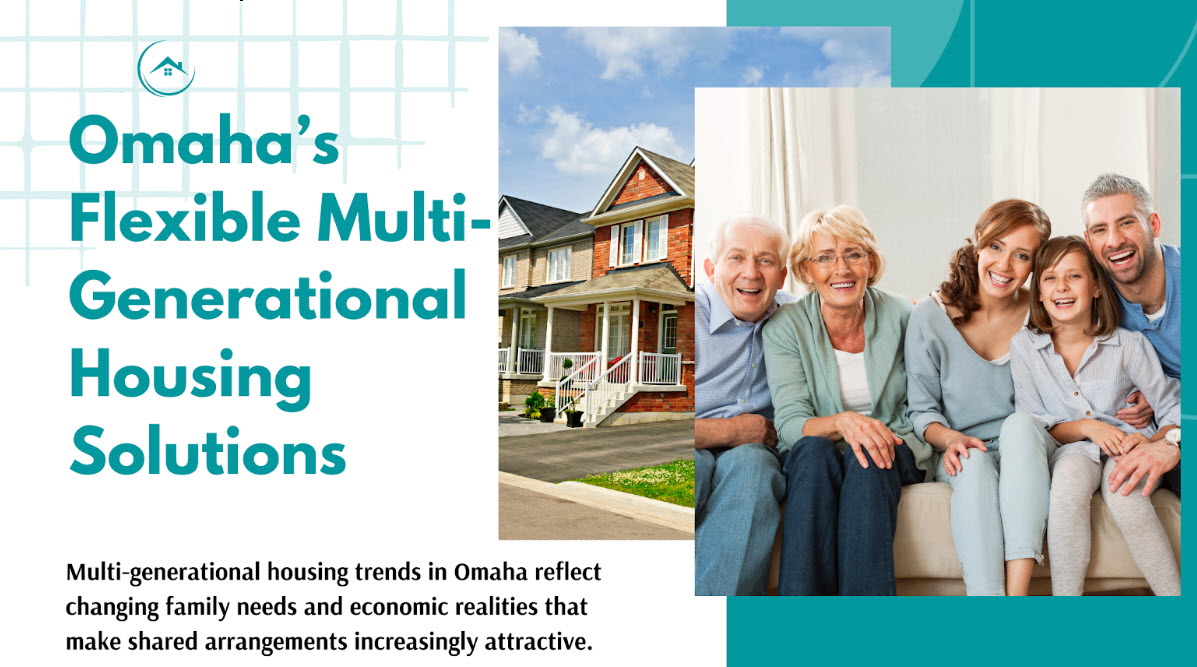
America is undergoing a significant shift in housing, and Omaha, Nebraska, is at the forefront of this change. Multi-generational living, which was once the norm in previous generations, has returned as families seek creative solutions to rising housing costs, caregiving needs, and the desire to maintain closer family connections.
Did you know that the Heim-Berg Team has witnessed this evolution firsthand and has helped many Omaha families navigate the unique challenges and opportunities presented by multi-generational housing needs?
As longtime residents and expert real estate advisors in the Omaha metropolitan area, The Heim-Berg Team understands that today's housing market requires innovative approaches to meet the changing needs of families. The traditional single-family home model, while still popular, no longer serves the needs of every family as effectively as homes designed or adapted for multi-generational living arrangements.
How much do you know and understand about the multi-generational housing movement? In Omaha, several converging factors—reflecting both national trends and local market conditions — are driving this trend. Multi-generational housing encompasses a variety of living arrangements where multiple generations of the same family share a single property or reside nearby on the same lot.
Economic considerations play a significant role in this evolution of housing. Rising home prices, student loan debt, and caregiving costs for aging parents create financial pressures that make shared housing arrangements an increasingly attractive option. We're seeing young adults struggling to afford their first homes find that living with parents or grandparents allows them to save for down payments while contributing to household expenses.
At the same time, their parents and grandparents benefit from shared costs and the security of having family nearby. The demographic trends in Omaha mirror national patterns, showing increased interest in multi-generational arrangements. Recent surveys indicate that nearly 20% of Americans now live in multi-generational households, representing a 15% increase over the past ten years.
Specific Omaha neighborhoods where housing costs have increased make shared arrangements practical and appealing for some families. Beyond financial motivations, many families opt for multi-generational living for the enhanced family connections and support systems it offers.
Grandparents play increasingly active roles in childcare, which enhances both their lives and those of the children. At the same time, we're seeing adult children assist aging parents with daily activities and healthcare management. This arrangement often proves beneficial for all generations involved, providing emotional support and practical assistance that enhances the quality of life.
Accessory Dwelling Units, commonly known as ADUs, are becoming one of the most popular, flexible solutions for multi-generational housing needs in Omaha. These secondary housing units on single-family residential properties provide independent living spaces while maintaining family proximity and connection.
ADUs take various forms, from converted garages and basement apartments to purpose-built small homes in backyards. ADU flexibility can be highly appealing for those seeking a multi-generational solution. If you think about it, adult children can house aging parents who want independence while remaining close to family support, young adult children saving for their own homes, or even serve as rental income sources when family circumstances change.
Thankfully, we've seen Omaha's zoning regulations evolve to accommodate the growing interest in Accessory Dwelling Units (ADUs). Nevertheless, we've found that working through the approval process requires an understanding of local requirements and restrictions. To the point that different neighborhoods have varying regulations regarding ADU size, parking requirements, and design standards. Some areas of Omaha have embraced ADUs more readily than others, creating opportunities for families willing to explore these options.
The financial benefits of ADUs extend beyond their utility for family members. When not in use for family purposes, these units can generate rental income that helps offset mortgage payments and property taxes. In Omaha's current rental market, well-designed Accessory Dwelling Units (ADUs) can command monthly rents ranging from $800 to $1,500, depending on size, location, and amenities.
Additionally, ADUs often increase overall property values, with some studies showing increases of 20-30% for properties with well-designed accessory units. Construction costs for Accessory Dwelling Units (ADUs) in Omaha typically range from $75,000 to $200,000, depending on the size and finish level. While this represents a significant investment, many families find that the long-term benefits – both financial and personal – justify the initial expense.
We're finding that some neighborhoods are becoming preferred for multi-generational housing. Certain neighborhoods are growing in popularity for those looking for multi generational houisng arrangements, often due to their combination of amenities, accessibility, and housing stock that accommodates flexible living arrangements well.
The Benson neighborhood has attracted many multi-generational families due to its diverse housing options, including larger older homes that can accommodate extended families and properties with space for ADU development. The area's ongoing revitalization has brought new amenities while maintaining affordability relative to other parts of Omaha.
Another area we see growing in popularity is Midtown Omaha. We feel Midtown is attracting multi-generational buyers due to its walkable neighborhoods, proximity to healthcare facilities, and variety of housing types. The area's established infrastructure and community services make it particularly appealing for families with older adults who may have mobility considerations.
West Omaha neighborhoods, such as Elkhorn and Gretna, have seen increased interest from multi-generational families seeking newer construction with flexible floor plans. Recent developments in these areas include homes designed with separate living suites or bonus rooms that homeowners can easily convert into new independent living spaces.
The Blackstone District also appeals to families looking for multi-generational potential and urban conveniences. The neighborhood's walkability, restaurants, and entertainment options create an environment where different generations can enjoy shared activities while maintaining their independence.
Successful multi-generational housing arrangements require thoughtful design considerations that strike a balance between privacy and connection. Homes that work well for extended families typically incorporate specific features that accommodate the needs and preferences of different generations.
Separate entrances provide crucial independence for multi-generational arrangements. Whether achieved through traditional front and back entrances or purpose-built secondary entries, this feature allows family members to maintain their routines without disrupting others. Many Omaha families have successfully converted existing homes by adding exterior stairs to basement levels or creating new entrances to upper floors.
Kitchen flexibility represents another critical design element. Some multi-generational homes benefit from multiple kitchen spaces – perhaps a full kitchen for the main household and a kitchenette for independent family members. Other successful arrangements feature large, open kitchens designed to accommodate multiple cooks and family meal preparation.
Bathroom accessibility becomes increasingly essential when older adults are part of the household. First-floor bathrooms with accessible features, including grab bars and walk-in showers, enhance safety and independence. Many Omaha homeowners have discovered that bathroom modifications not only meet the immediate needs of their families but also enhance the home's appeal to future buyers.
Living space separation allows different generations to enjoy their preferred activities without conflict. Now, homeowners are considering soundproofing between floors, creating dedicated entertainment areas, or designing homes with multiple family rooms that serve different purposes and age groups.
The financial implications of multi-generational housing extend well beyond the initial purchase or modification costs. Families considering these arrangements should evaluate both short-term expenses and long-term economic benefits to make informed decisions.
Shared housing expenses can significantly reduce the financial burden for the whole family. When multiple adults share Mortgage payments, utilities, property taxes, and maintenance costs, the result is substantial savings over separate housing arrangements. For many Omaha families, this cost-sharing enables them to afford larger, higher-quality homes than they could manage independently.
Caregiving cost savings represent another significant financial benefit. Professional in-home care or assisted living facilities can cost thousands of dollars monthly. At the same time, multi-generational arrangements allow families to provide care while maintaining independence. This arrangement often proves more satisfying for older adults while reducing financial stress for all parties involved.
Well-designed, multi-generational features enhance property values, particularly when such arrangements are standard and widely accepted. Property values vary significantly, depending on the specific modifications made and the neighborhood in which the home is located. However, highly specialized modifications might limit the appeal to future buyers, making professional guidance essential when planning significant changes.
The tax implications of multi-generational housing arrangements can be complex, particularly when family members share or split rental payments or when Accessory Dwelling Units (ADUs) generate income.
We advise our clients to consult with tax professionals to help you define the official arrangements and maximize benefits while also ensuring compliance with applicable regulations.
Accessory Dwelling Units (ADUs) living arrangements, although beneficial, present unique challenges that successful families learn to navigate through effective planning and open communication. Understanding these potential issues helps families prepare for smoother transitions and more positive experiences.
Are you aware of the challenges associated with Accessory Dwelling Units (ADUs)? In many multi-generational arrangements we've worked with, Privacy concerns often top the list of challenges.
Different generations have different expectations about personal space, social activities, and household routines. To create successful arrangements, we typically advise our clients to communicate clearly about boundaries, shared spaces, and individual needs before problems arise.
Without proper planning and preparation, lifestyle differences between generations can create friction. Family members have different sleep schedules, entertainment preferences, cooking habits, and social activities, which require them to compromise and develop accommodations. Many families find that establishing household guidelines and expectations helps prevent conflicts.
Financial arrangements require clear agreements to prevent misunderstandings and ensure transparency. Whether involving rent payments, utility contributions, or shared expenses for home improvements, written agreements help ensure all parties understand their responsibilities and expectations.
Understanding local regulations and obtaining the proper permits protects families from Zoning and legal considerations that can complicate multi-generational arrangements, particularly when making significant changes, modifications, and updates to accommodate ADUs. We also protect our clients from legal issues by ensuring all changes and upgrades meet required safety standards.
The demand for multi-generational housing solutions in Omaha is continuing to grow, driven by demographic trends, economic factors, and shifting family preferences.
Data we've reviewed recently shows that Omaha's aging population demographics support the increasing demand for multi-generational housing arrangements. As baby boomers age, many prefer to remain in their communities while receiving family support rather than moving to institutional facilities. As this latest trend continues to expand, the demand for innovative, creative housing solutions that cater to these preferences also grows.
Additional data we've reviewed shows that rising housing costs in Omaha, while still moderate compared to coastal markets, make shared arrangements increasingly attractive for young adults. Student loan debt, delayed marriage, and career establishment periods often extend the time young adults live with their families, creating a demand for housing that accommodates these arrangements comfortably.
The construction industry's response to multi-generational demand is beginning to appear in new developments around Omaha. Some builders now offer floor plans specifically designed for extended families. In contrast, others provide options for easily converting spaces to accommodate changing family needs.
How can technology help address some traditional challenges of multi-generational living arrangements? Technology integration can be a big help. We've seen smart home systems accommodate various preferences for temperature, lighting, and security while still allowing for individual control.
How necessary is professional guidance for navigating the multi-generational housing market? To successfully navigate Omaha's multi-generational housing market, you'll need expertise in various areas, including zoning regulations, construction requirements, financing options, and neighborhood characteristics. When you partner with knowledgeable real estate professionals, families can create successful multi-generational housing outcomes.
Nancy Heim-Berg and The Heim-Berg Team bring extensive experience in Omaha real estate to the table. This experience includes helping families identify properties suitable for multi-generational arrangements and a complete understanding of existing home modifications. We are familiar with neighborhood characteristics, zoning regulations, and market trends, which prove invaluable for families exploring these rapidly evolving housing options.
Understanding financing options for multi-generational housing can be complex, particularly when renovations or ADU construction are involved. Different loan programs may be applicable depending on the intended use of the additional living spaces and the family's specific circumstances. Professional guidance helps families navigate these options effectively.
Contractor and service provider recommendations become crucial when modifying homes for multi-generational use. The Heim-Berg Team maintains relationships with qualified professionals who understand the unique requirements of multi-generational housing projects and can deliver quality results within reasonable timeframes and affordable budgets.
Successful families typically evaluate their situations thoroughly before committing to these arrangements. Choosing multi-generational housing arrangements represents a significant decision that affects multiple family members and requires careful consideration of various factors.
Family dynamics assessment helps determine whether multi-generational living will enhance or challenge family relationships. An honest evaluation of communication patterns, conflict resolution abilities, and individual space needs provides insight into the likelihood of successful arrangements.
Understanding timing requirements helps identify appropriate housing options and modification strategies, as timeline considerations affect both housing choices and family planning. Some families require immediate solutions for aging parents or young adults, while others have a more extended timeframe for planning their transitions.
Location priorities may differ among family members, requiring compromise and creative solutions. Proximity to work, schools, healthcare facilities, and social activities affects the quality of life, depending on the generational requirements of the family member. Successful arrangements often involve locations that reasonably serve the needs of multiple family members.
Budget planning requires consideration of both short-term and mid-term costs, as well as the long-term financial impact. We always advise families to create a realistic assessment of available resources, ongoing expenses, and potential savings so that they can make informed decisions about affordable options.
Multi-generational housing trends in Omaha reflect the changing needs and economic realities of families, making shared arrangements increasingly attractive for many households. Whether driven by financial benefits, caregiving requirements, or the desire for closer family connections, these arrangements offer creative solutions to modern housing challenges.
Nancy Heim-Berg and The Heim-Berg Team bring decades of Omaha real estate experience to guide families through complex multi-generational housing challenges. Our comprehensive understanding of local neighborhoods, zoning requirements, and market conditions, makes us your ideal partner.
From identifying properties with multi-generational potential to understanding the renovation and financing processes, The Heim-Berg Team provides the expertise and support necessary so that families can make informed, successful decisions. We possess extensive knowledge of Omaha's diverse neighborhoods and housing stock, which enables us to help families find solutions that meet their unique needs and preferences.
Ready to explore multi-generational housing options that could benefit your family? Contact Nancy Heim-Berg and The Heim-Berg Team today to discuss your specific needs and discover the opportunities available in Omaha's evolving housing market.
Phone: (402) 677-9024
Website: https://www.omahaarealiving.com/
Nancy Heim-Berg and The Heim-Berg Team – Your trusted advisors for innovative housing solutions in Omaha.